What drives demand here
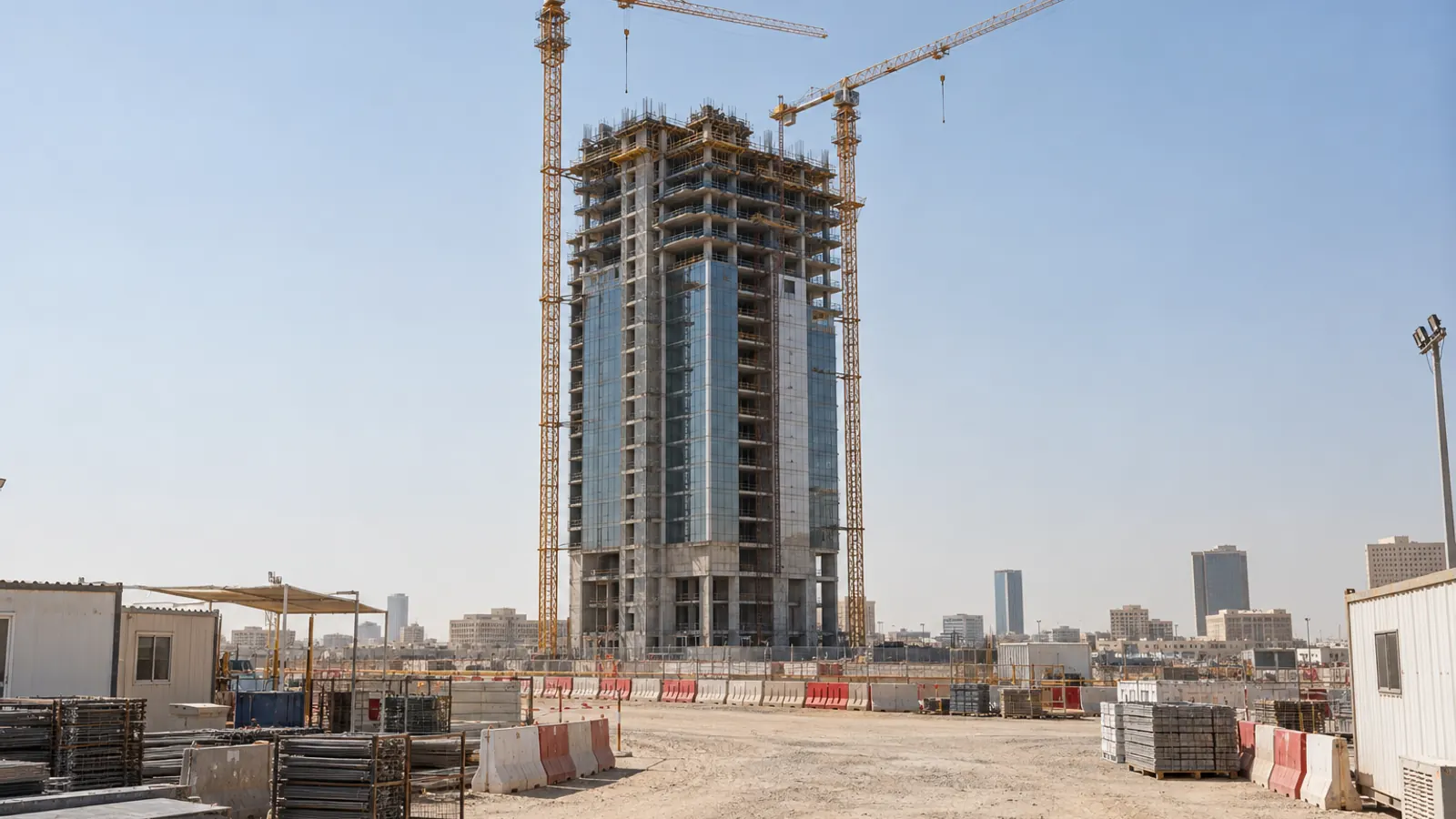
Makkah's construction is dominated by multi-tower hospitality developments around the Grand Mosque, extensive transport infrastructure such as tunnels, pedestrian bridges and mass transit, and large urban renewal districts. Projects need high-rise access scaffolding, reinforced concrete crews and high-specification finishing trades, all working around the seasonal limits of Hajj and peak Umrah periods.
High-rise facade access & structural civil works
High-density hospitality towers in Makkah require robust access scaffolding: heavy tube-and-clamp systems, cantilevered working platforms, and internal access towers. Working-at-height requirements are confirmed per site, and scaffolders are supplied alongside structural steel fixers and shuttering carpenters for podiums and tower shells.
Seasonal schedules and cross-country mobilization
Construction in Makkah is governed by the pilgrimage calendar: work slows or stops in and around Hajj and in peak Umrah periods, and deliveries and noisy work face restrictions near the busiest areas. Crews are mobilized from the Eastern Province, so plan ramp-ups for the productive windows and send dates early. Accommodation outside the crowded central areas and daily transport are quoted on request, and worker documents are reviewed per project.
Entry to Makkah is restricted to Muslims
Under Saudi rules, entry to the city of Makkah is restricted to Muslims. That applies to every worker who needs to reach a site inside the city, whatever the trade. Tell us in the RFQ whether your site is inside the Makkah boundary, and workers who are eligible to enter are put forward. It is also worth confirming the entry routes and checkpoints your site uses, so daily travel from accommodation is planned correctly.
Crowds, deliveries and night work
Sites near the Grand Mosque sit among millions of visitors across the year. Material deliveries are often limited to specific hours, cranes and noisy work may be restricted during prayer times and busy periods, and much work moves to night shifts. Crews that have worked under those rules are faster to settle in. Share your site's delivery windows, working hours and any prayer-time stoppages, so the crew size and shift pattern match the hours actually available.
Hotel fit-out at scale
Hotel towers in Makkah contain hundreds of near-identical rooms, and fit-out runs as a production line floor by floor: gypsum ceilings and partitions, MEP second fix, tiling and marble, joinery and painting, followed by snagging. A small change in one trade's pace holds up every trade behind it. Send the room count, the floors and the planned rate per floor, so each finishing crew is sized to keep the line moving.
Tunnels, bridges and transit
Moving pilgrims safely around Makkah depends on a dense network of road tunnels, pedestrian bridges, bus and rail links, and the utilities that run beneath them. That work needs steel fixers, shuttering carpenters, masons, surveyors, electricians and helpers, often at night and in areas that stay open to the public. State the structure type and the traffic and working-hour conditions, so crews used to live infrastructure work are put forward.
Mobilization and RFQ response for Makkah
- RFQ response:
- within 24 hours of a complete RFQ
- Mobilization:
- 48–72 hours from PO for in-Kingdom personnel, subject to worker documents and site approvals what can delay it
- Worker cards:
- TUV or Aramco card copies sent with CVs where the trade holds one
- Offices:
- Dammam (head office), Jubail Industrial City, Al Khobar