What drives demand here
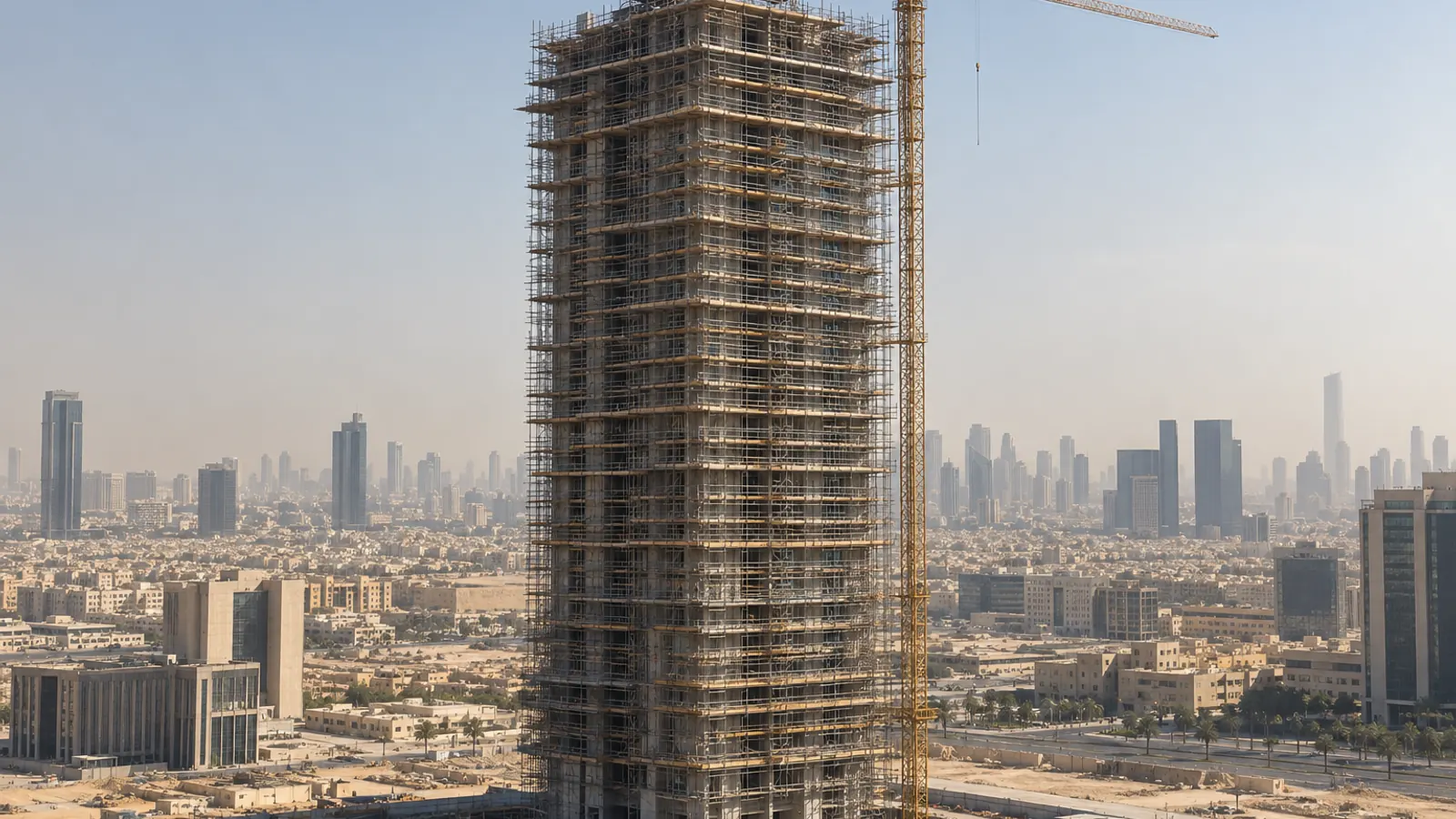
Riyadh has the largest volume of construction and infrastructure activity in the Kingdom, from towers, housing and government buildings to transport networks, utilities and large industrial cities on the city's edge. Requirements here can be large and long-running. Mobilization takes the same 48–72 hours from PO for in-Kingdom personnel, subject to worker documents and site approvals; because crews travel across the country, early dates help most.
A capital-city hub served from the east
Gulf Orbit has no office in Riyadh; its offices are in Dammam, Jubail and Al Khobar, and crews travel from the Eastern Province. Gulf Orbit has supplied crews to projects in Riyadh. For buyers in the capital, the practical difference is planning rather than priority: accommodation and daily transport are quoted on request, and travel is booked against a confirmed start date, so the earlier that date is known, the smoother the first week.
Towers, housing and the civil register
Riyadh's high-rise, housing and public-building projects span the civil trade set end to end: scaffolders and steel fixers for the frame, shuttering carpenters and tower crane operators to keep floors cycling, surveyors for setting out, and general foremen and supervisors to coordinate a large multi-trade site. Finishing and MEP trades follow as buildings close in, and all of them come from the same register, so one RFQ can cover the whole building programme.
Industrial cities around the capital
Riyadh has large industrial cities on its edge, with factories in building materials, food, metals, plastics and equipment, and the Al Kharj and Sudair industrial areas lie within driving distance. Factory work needs maintenance and shutdown crews rather than construction trades: mechanical fitters, electricians, welders, riggers, forklift operators and storekeepers. Tell us the plant type and the scope, whether routine maintenance, a shutdown or an expansion, so the trade mix is set for factory work.
Transport and utility networks
Riyadh's roads, interchanges, public transport, water, sewer and power networks are being extended continuously as the city grows. That work draws on steel fixers, shuttering carpenters, masons, surveyors, electricians and helpers, often in traffic-managed zones and at night. Crews used to live infrastructure work, where the public, traffic and existing services sit a few metres away, settle in faster. State the work zone and its traffic and working-hour conditions in the RFQ.
Hospitals, campuses and facility maintenance
Beyond new construction, Riyadh's hospitals, universities, government buildings and offices need steady facility maintenance and refurbishment: electricians, plumbers, AC technicians, duct fitters, painters and gypsum carpenters, working around occupied buildings and often on night or weekend shifts. Those contracts usually run for months, and continuity of workers matters. Send the buildings, the systems and the shift pattern, and ask for continuity in the RFQ.
Inland heat and the working day
Riyadh's summer brings dry heat that is among the most intense in the Kingdom, and the summer midday break for outdoor work takes the hottest hours out of the programme. Concrete placing moves to night or early morning, and crews on roofs and facades work with water, shade and rest cycles. Share your working hours and heat-stress rules, so crew size and phase durations are planned for the hours that are actually workable.
Riyadh's industrial cities
Riyadh's factory work is concentrated in the three MODON industrial cities in the capital, the First, Second and Third Industrial Cities, and in Sudair City for Industry and Businesses on the Riyadh–Qassim road, about 130 km to the northwest. The Second Industrial City is being expanded under contracts MODON signed in December 2024. Maintenance and shutdown crews for these factories need different trades from the city's tower and infrastructure projects, so say which in the RFQ.
Mobilization and RFQ response for Riyadh
Gulf Orbit has supplied crews to projects in Riyadh.
- RFQ response:
- within 24 hours of a complete RFQ
- Mobilization:
- 48–72 hours from PO for in-Kingdom personnel, subject to worker documents and site approvals what can delay it
- Worker cards:
- TUV or Aramco card copies sent with CVs where the trade holds one
- Offices:
- Dammam (head office), Jubail Industrial City, Al Khobar