

Skilled vs Semi-Skilled vs General Manpower: How to Specify Your Request
"20 skilled and 30 unskilled" is a frequent shape for a manpower request in Saudi Arabia, and one of the least useful. What each category means on site, how to turn it into named trades, and what to put in the RFQ.
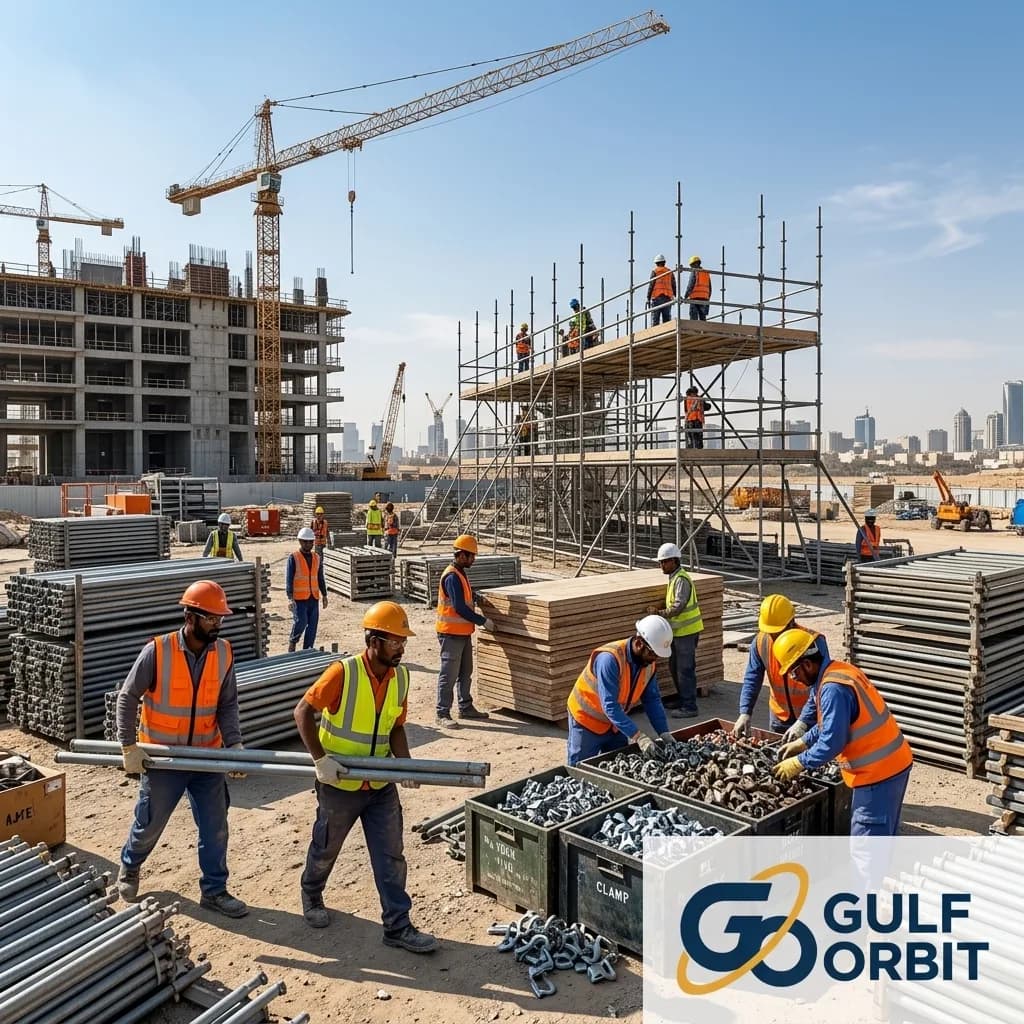
Skilled manpower means named tradesmen who work independently and can be tested, such as welders, pipe fitters and electricians. Semi-skilled means experienced site workers who carry out defined tasks under a tradesman. General manpower means helpers for staging, hauling and housekeeping. The categories are a starting point; an RFQ that names the trades gets the right crew.
Key takeaways
- A category is not a specification: name the trade, the grade and the tasks.
- Sites check skilled trades by trade test, procedure tests such as WPQ, and cards where the site requires them.
- Semi-skilled and general workers are reviewed by CV and experience, complete a safety induction, and work under a named tradesman or foreman.
- The helper-to-tradesman mix depends on the scope; plan it per crew, not as one ratio for the project.
- Match the trade you request to the worker's iqama profession where your site checks it.
Why the category alone causes the wrong crew
A request for "20 skilled and 30 unskilled" leaves the supplier to guess which trades you mean. Two suppliers will read it differently, their quotations will not compare, and the crew that arrives may hold the wrong trades for the work fronts that are open. The categories are useful for planning a budget or a camp. They are not enough for a crew. The fix is to turn each category into named trades with a headcount per trade.
What each category means on site
The table shows how the categories are commonly used on Saudi project sites and where each one sits in Gulf Orbit's register of 57 documented trades.
| Category | On site | Examples from the register | What your site checks |
|---|---|---|---|
| Skilled | Carries out trade work independently and is accountable for its quality | 6G welders, pipe fitters, electricians, scaffolders, mechanical fitters | Trade test, WPQ test for welders, TUV card where the site requires it, CV |
| Semi-skilled | Experienced site worker who carries out defined tasks under a tradesman | Skilled labour, the register's name for experienced site workers: staging, surface preparation, multi-trade crew assistance | CV and site experience; works under a named tradesman |
| General | Supports the crew: staging, hauling, mixing, housekeeping | Helpers, civil, mechanical and industrial | CV and safety induction |
| Supervisory | Directs a crew and is your daily contact | General foreman, civil foreman, supervisors | CV and experience on similar work |
How to turn a category into a specification
For each category in your plan, write down the work it covers, then name the trade that does that work.
- Name the trade, not the category: "6 pipe fitters and 4 6G welders", not "10 skilled".
- Give the grade where it matters: welder position and process, rigger level, crane type and capacity.
- Describe the tasks for semi-skilled and general workers, so the supplier can propose skilled labour or helpers correctly.
- Say who they work under: each helper group needs a named tradesman or foreman.
- List the tests and cards the site requires for each trade.
The helper mix is planned per crew
There is no single right number of helpers per tradesman. A scaffolding crew, a piping crew and a civil crew each need a different mix, and the mix changes as the project moves from structure to finishes or through a shutdown window. Plan it per crew and per phase. For scaffolding crews specifically, see labour support services.
Match the trade to the iqama profession
Many sites check that a worker's iqama profession matches the trade on the gate pass. Requesting named trades makes that check straightforward, because each worker is proposed for a defined trade. See iqama profession codes and site access for how sites apply it.
How Gulf Orbit handles category requests
If you send categories, the response asks which work each category covers, so the right trades can be priced: complete RFQs get a response within 24 hours, either a priced quotation or an acknowledgement with the questions needed to price it. CVs and card copies are sent for your approval before mobilization, every worker completes Gulf Orbit's safety induction before deployment, and in-Kingdom personnel mobilize 48–72 hours from purchase order, subject to worker documents and site approvals. For the whole process, see the manpower supply buyer's guide, or send your RFQ.
Frequently asked questions
What is the difference between skilled and semi-skilled manpower?
Skilled workers carry out trade work independently and can be tested, such as welders and pipe fitters. Semi-skilled workers carry out defined tasks under a tradesman, such as staging and surface preparation.
Is a helper the same as unskilled labour?
In common site usage, yes: helpers are general manpower who support a crew with staging, hauling, mixing and housekeeping, under a tradesman or foreman.
How many helpers do I need per tradesman?
It depends on the trade, the scope and the phase. Plan the mix per crew rather than as one ratio for the project, and say in the RFQ which tradesman each helper group supports.
Can I send an RFQ in categories instead of trades?
Yes, but expect questions back about which work each category covers. Complete RFQs get a response within 24 hours: a priced quotation, or an acknowledgement with the questions needed to price it.